
How to Fix Computer Freezing, Crashing, and Blue Screen of Death (BSOD) Errors
Dealing with frequent computer freezing, random crashing, or the dreaded Blue Screen of Death (BSOD)? These stability problems disrupt work, gaming, and daily use, often forcing unexpected restarts and risking unsaved data. Understanding blue screen of death causes and how to fix computer freezing is essential for homeowners seeking reliable solutions.
What Causes PC Freezing, Crashing, and BSOD?
Common triggers include:
- Faulty RAM causing memory errors.
- Outdated, corrupted, or conflicting drivers (especially graphics drivers after OS updates).
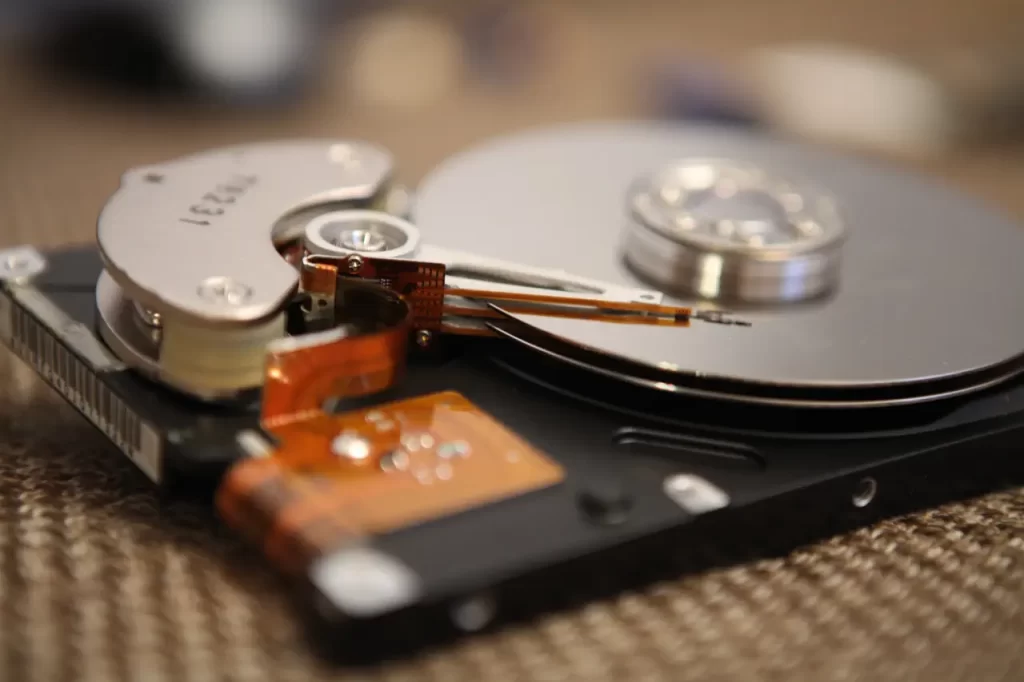
- Overheating, failing hard drives, or power supply issues.
- Malware, corrupt system files, or software conflicts.
Symptoms range from a frozen mouse cursor and vanishing applications to full-system reboots with BSOD stop codes like “DRIVER_IRQL_NOT_LESS_OR_EQUAL.” Laptops are particularly prone due to dust buildup and power fluctuations.
Step-by-Step DIY Troubleshooting for Freezing and BSOD
Try these fixes in order:
- Restart in Safe Mode to isolate software issues.
- Run System File Checker (sfc /scannow in Command Prompt) and Windows Memory Diagnostic.
- Update all drivers via Device Manager or manufacturer tools.
- Scan for malware with trusted antivirus software and check for Windows updates.
These steps resolve many software-related computer freezing and crashing or blue screen of death problems quickly.
Professional Repair for Persistent Blue Screen of Death When DIY methods fail—especially with suspected hardware faults—hire a professional. Technicians use specialized tools to test RAM individually, stress-test components, recover data from failing drives, and perform clean OS reinstalls while preserving files. They can safely replace faulty parts like RAM modules or thermal paste without voiding warranties.
On-site computer repair services are convenient for busy households and often apply diagnostic fees toward repairs. Persistent BSOD or freezing rarely resolves on its own and may signal imminent hardware failure.
Preventing Future Computer Crashes and Freezing
Protect your system with ongoing maintenance:
- Keep drivers and Windows updated automatically.
- Ensure proper ventilation and avoid overloading USB ports.
- Use surge protectors to guard against power spikes.
- Create regular system restore points and backups.
Advanced Diagnostics and 2026-Specific Troubleshooting For recurring issues, go beyond basic steps with more powerful tools. Check the Windows Event Viewer (search for “eventvwr”) and look under Windows Logs > System for Critical or Error events timed with your freezes or BSODs. These logs often reveal the exact driver or hardware component at fault.
Free tools like BlueScreenView (from NirSoft) or WhoCrashed analyze minidump files in C:\Windows\Minidump and pinpoint the offending driver quickly. For thorough RAM testing, run MemTest86 (bootable USB) overnight—it’s more comprehensive than the built-in Windows Memory Diagnostic. If you suspect storage problems, use manufacturer tools like CrystalDiskInfo or chkdsk /f /r in Command Prompt.
In 2025 and early 2026, some users reported increased freezing and BSODs after specific Windows 11 cumulative updates (such as KB5079473 in March 2026). If crashes began right after an update, try rolling back the update via Settings > Windows Update > Update history, or perform an in-place repair install to fix corrupted system files without losing apps or data.
When hardware is the culprit—such as aging RAM, a failing SSD, or overheating—professional diagnosis is the safest route. Experts use stress-testing software and thermal imaging to isolate problems that DIY methods often miss. In Atlanta and surrounding areas, local technicians can provide on-site service, minimizing downtime for home offices or family PCs. Don’t let persistent freezing or blue screens of death lead to data loss or a complete system failure.
Start with the DIY steps above, but if problems continue after a few attempts, schedule a professional diagnostic. A certified computer repair expert can resolve the root cause efficiently, often in a single visit, and offer maintenance plans to keep your PC stable long-term. Restore reliability and protect your important files—contact a trusted local service today for fast, expert help with computer freezing and BSOD errors.